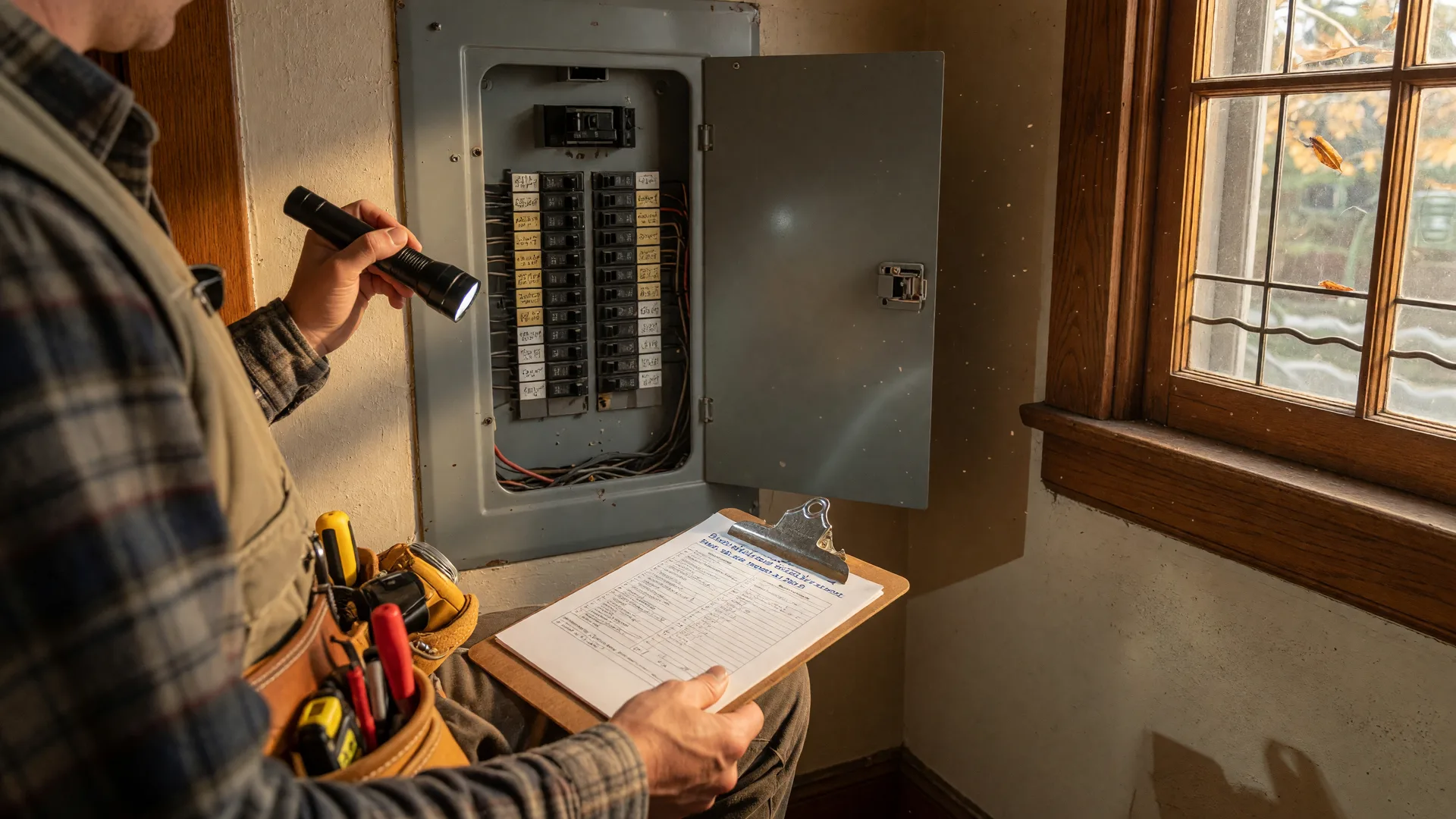
The inspection period is where a lot of buyers feel the most uncertainty. You've found a home you love, your offer is accepted, and now a stranger with a flashlight is crawling through the crawlspace looking for problems. Here's the good news: the inspection is there to protect you, not to talk you out of a home. As a buyer's agent in Portland, I sit with my clients through this exact phase on nearly every purchase. Here's what the inspection actually covers, what's common in Portland homes, and how to handle whatever shows up.
Do I Need a Home Inspection in Oregon?
In Oregon, a home inspection is not required by law. Your lender will order an appraisal, but an appraisal is not an inspection. It exists to confirm the home is worth what you're paying, not to check the condition of the roof or the foundation. That's why most buyers protect themselves with the inspection contingency in the standard Oregon purchase agreement, which gives you a set period to inspect the home, request repairs, or walk away and get your earnest money back. In most Portland transactions that period runs about 10 to 14 days after the offer is accepted.
My strong advice to every buyer, especially first-time buyers: do not skip the inspection. It is a small, one-time cost compared with the risk of discovering a major problem after closing. And because the Portland market has settled into a more balanced place, with more homes to choose from than in the hottest years, you generally have room in the process to do this right instead of racing through it.
What Does a Home Inspector Check?
Home inspectors in Oregon are certified through the state's Construction Contractors Board, and they follow a published set of standards. An inspection is visual and non-invasive. The inspector doesn't tear open walls or predict future failures. Instead, they look at the clearly visible and readily accessible parts of the home, including:
At the end you get a written report that lists deficiencies and notes whether the items inspected function as intended. I review that report line by line with my buyers so we can tell the difference between a real problem and a routine maintenance note.
What Problems Are Most Common in Portland Homes?
Every region has its own patterns, and Portland is no exception. Because of our climate and our older housing stock, a few issues come up again and again:
None of these are automatic deal-breakers. What matters is understanding the scope, the cost to address it, and what's reasonable to ask the seller to handle. That's where a good agent earns their keep.
What Happens After the Inspection?
Once you have the report, you have options. You can accept the home as-is, ask the seller to make repairs, negotiate a credit toward your closing costs, or terminate the sale within your contingency period and have your earnest money returned. Most transactions land somewhere in the middle: the buyer asks for the safety and structural items, and both sides reach an agreement.
I help my buyers prioritize so we're not asking for a loose doorknob or a light switch when the real issue is drainage. And I keep the conversation with the seller's side constructive. In a balanced market, sellers are more willing to work with reasonable requests, because they know a clean, well-handled inspection is what keeps a deal moving to closing.
How Do I Choose a Good Inspector?
Look for an inspector certified by the Oregon Construction Contractors Board, and ask about their experience with the age and type of home you're buying. A Portland inspector who knows older homes and our wet climate will catch things a generalist might miss. I keep a short list of inspectors I've worked with and trust, and I'll gladly share it. It's worth choosing someone thorough even if it means a slightly longer report, because the report is your best protection before you commit to closing.
Buying in Portland? Let's Talk It Through.
From the offer to the inspection to closing, I walk my buyers through every step so nothing feels like a surprise. Let's sit down and talk about your goals.
Schedule a ConsultationCheers, John